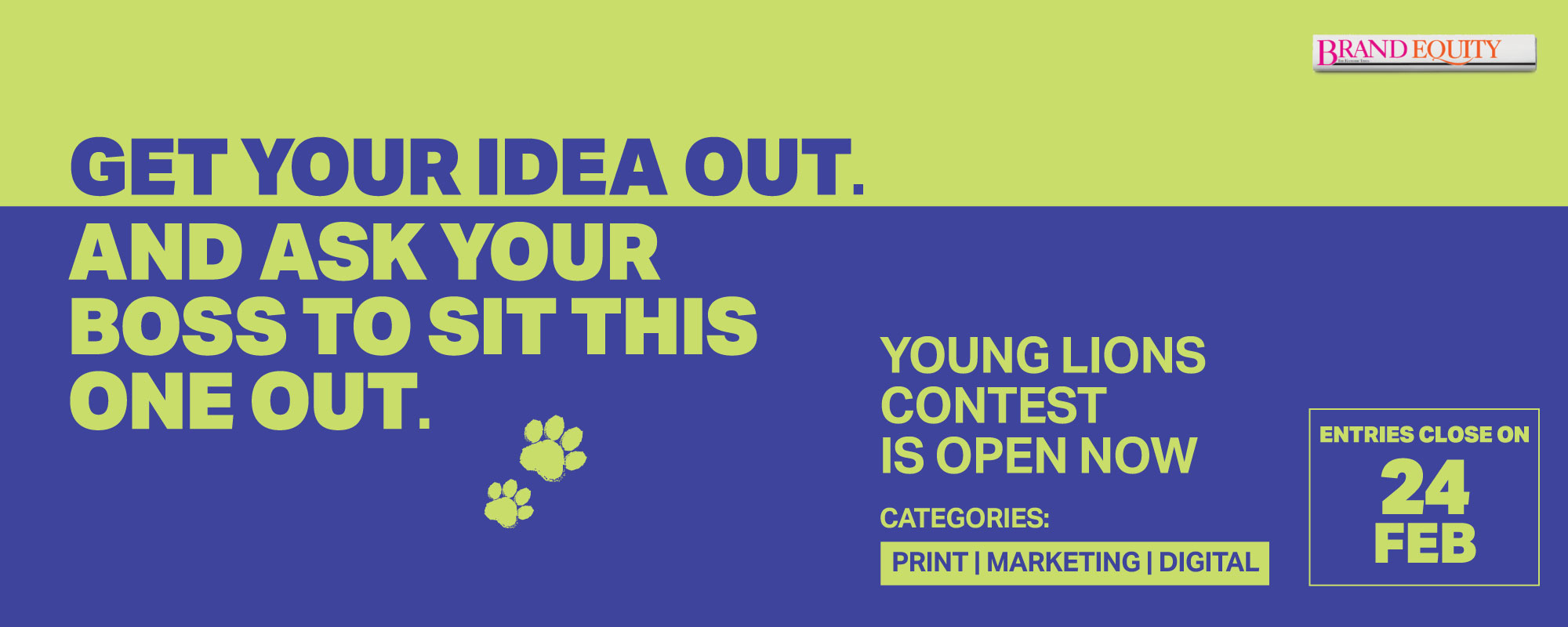



Young Lions Banner Young Lions Banner

Entries Open

Please click on the appropriate option

ABOUT YOUNG LIONS

Young Lions is dedicated to helping young talent showcase their creativity on a global platform. National teams of young professionals from the creative marketing and digital industries have the opportunity to compete against each other and win the prestigious Young Lions title.

Winning the Young Lions competition is a hugely rewarding experience and can change your career forever. Shortlisted teams compete against the most talented young professionals and winners are awarded at the Cannes Lions Festival of Creativity.

It’s more than just a competition — it’s an opportunity to compete with the best from around the world.

  • Competition categories
    The Young Lions competition is open to Print, Marketing, and Digital categories.
  • Showcase your talent
    Showcase your talent and get recognised by the industry’s best.
  • Call for entries
    A call for entry process is followed to invite eligible participants to apply for the competition.
Young creative professionals collaborating

ENTRY PROCESS

Young Lions competition entry process illustration

Shortlisted teams from each category will be asked to present their work to our jury members.

All entries received will be screened for eligibility, and a team of two participants will be selected by an independent jury appointed in India. Jury voting will be based on predefined evaluation parameters.

*Please refer to the terms & conditions defined for the competition for more details.

The winning team will represent India at the Cannes Lions Festival of Creativity.

The decision of the Jury in all matters relating to the awarding of prizes will be final and binding.


PRINT BRIEF

The value of quick and instant deliveries

Background with current challenges

India’s urban convenience economy has grown rapidly with the rise of app-based platforms offering 10 to 15 minute deliveries and on-demand mobility services. Food delivery, grocery, ride-hailing and courier platforms have reshaped daily routines for young consumers by making speed and availability a default expectation rather than a premium service.

Multiple studies indicate that this speed-first model places significant performance pressure on gig workers. Delivery partners often face algorithm-driven targets, income volatility and limited control over working hours, while remaining formally classified as independent contractors rather than employees.

There are incentives tied to faster deliveries and peak-hour demand that can indirectly encourage longer working hours and physical risk, even when platforms publicly emphasize safety guidelines. At the same time, consumer demand continues to reward speed and low cost, often without visibility into the labour conditions enabling this convenience. This creates a disconnect between everyday consumption habits and the lived experience of the workers sustaining these systems.

Creatives
Objective

The objective of the print campaign is to surface awareness, not assign blame. The campaign should highlight the hidden human effort behind instant services, encouraging reflection without framing consumers, brands or platforms as villains.

Examine how speed is experienced and normalised in everyday life. Instant services have reshaped expectations around time and effort, compressing complex processes into a single, frictionless action that feels effortless to the consumer.

By using print, a medium that exists outside algorithmic acceleration, the campaign intentionally slows the moment of engagement. Free from feeds, notifications and real-time updates, print creates a pause that contrasts sharply with app-based consumption and allows viewers to reflect rather than just react.

Within this pause, the campaign highlights the ripple effects embedded in speed, where algorithm-driven timelines influence routes, earnings and working hours while remaining largely invisible to the end user. Through this pause, the campaign seeks to unpack what speed represents beyond the promise of immediacy, creating a pause that mirrors the question at the heart of the idea: what does “instant” contain?

Target Audience
  • NCCS: A1, A2, B1
  • Young adults aged 18–35
  • Urban and semi-urban consumers accustomed to app-based services
  • Digitally native users who regularly engage with instant delivery, quick commerce and on-demand platforms
Deliverables
  • One campaign consisting of 1 -3 print advertisements (A4 or A3), you could also consider various print innovations to bring your idea to life.
  • Maximum 300-word written submission
  • Ad may be full colour or black and white
  • Ad and submission to be uploaded as two separate PDF files
  • Total file size not to exceed 50MB
Desired Response
  • Viewers stop and spend a few extra seconds engaging with the ad instead of scanning past it.
  • The message prompts them to mentally connect the idea of “instant” delivery with the real steps involved between ordering and receiving.
  • The ad sparks casual conversations or personal reflection about how speed is experienced and expected in everyday services.
Weightage
25%
Originality
25%
Overall Concept and Message
25%
Creative Execution
25%
Perceived Effectiveness

ELIGIBILITY

01
The participants are expected to create a print ad in response to the brief shared by the management on the website
02
Each entry must be submitted by a team of two young professionals
03
Participant should be born on or after 26/06/1995.
04
Open to professionals from creative communications, advertising, and digital agencies
05
Freelancers and or in-house creative teams from client companies are also accepted
06
Participant should hold a valid Indian passport until December 31, 2026, or beyond. It is mandatory for both team members to attach their valid passport while applying for the competition.

Team Composition

  • Two individuals who are working as full-time employees in the same organization
  • Two individuals who are freelancers (Only for Print & Digital) currently associated with any creative communications, advertising or digital agencies or with the in-house creative team member from client companies
  • Two individuals – 1 individual can be a freelancer (Only for Print & Digital), and one individual can be a full-time employee in an organization
  • Students are not allowed to participate in the competition across any categories
  • It is mandatory for both the team members to be present during the final round for the physical presentation. Absence of any of the team members will lead to disqualification of the entire team from the competition.
  • In case one or both team members are not based in Mumbai, they may opt to join the Grand Jury presentation virtually. This option is available only for participants located outside Mumbai and must be communicated to the Awards Management in advance, i.e. 48 hours before the final round

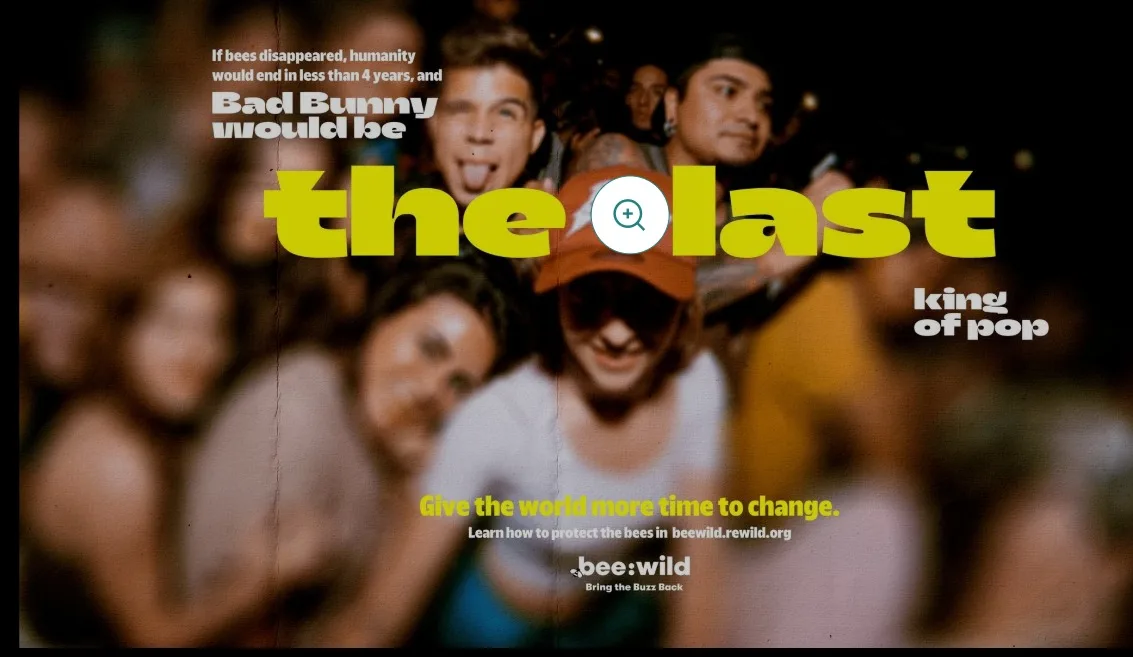
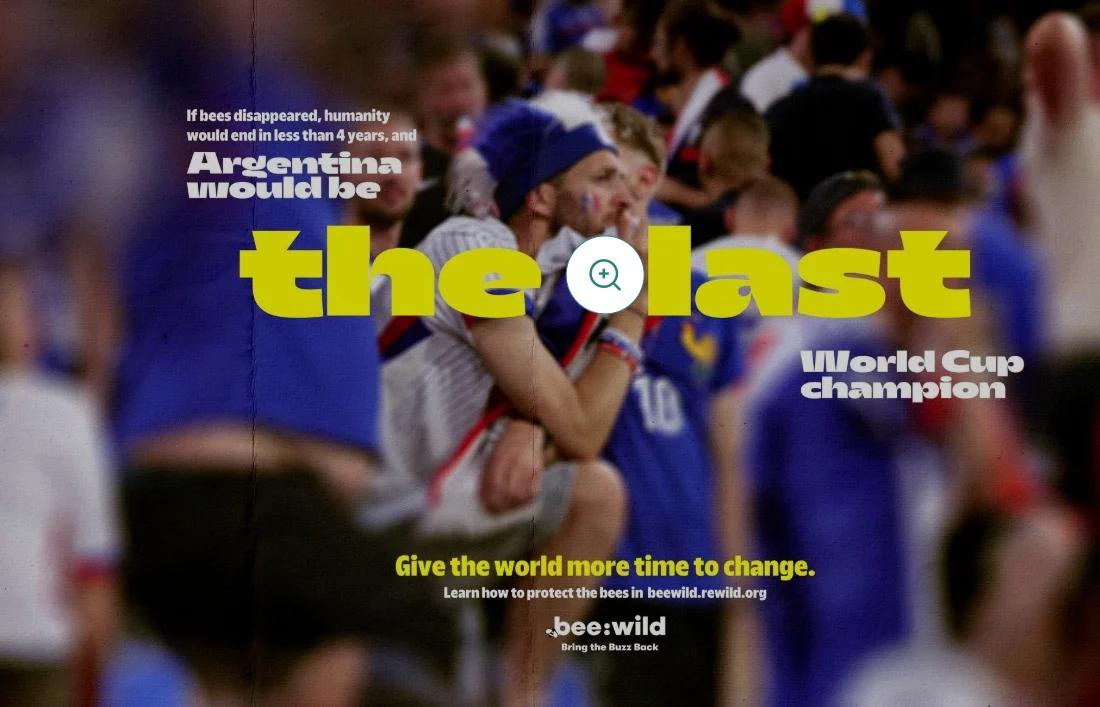
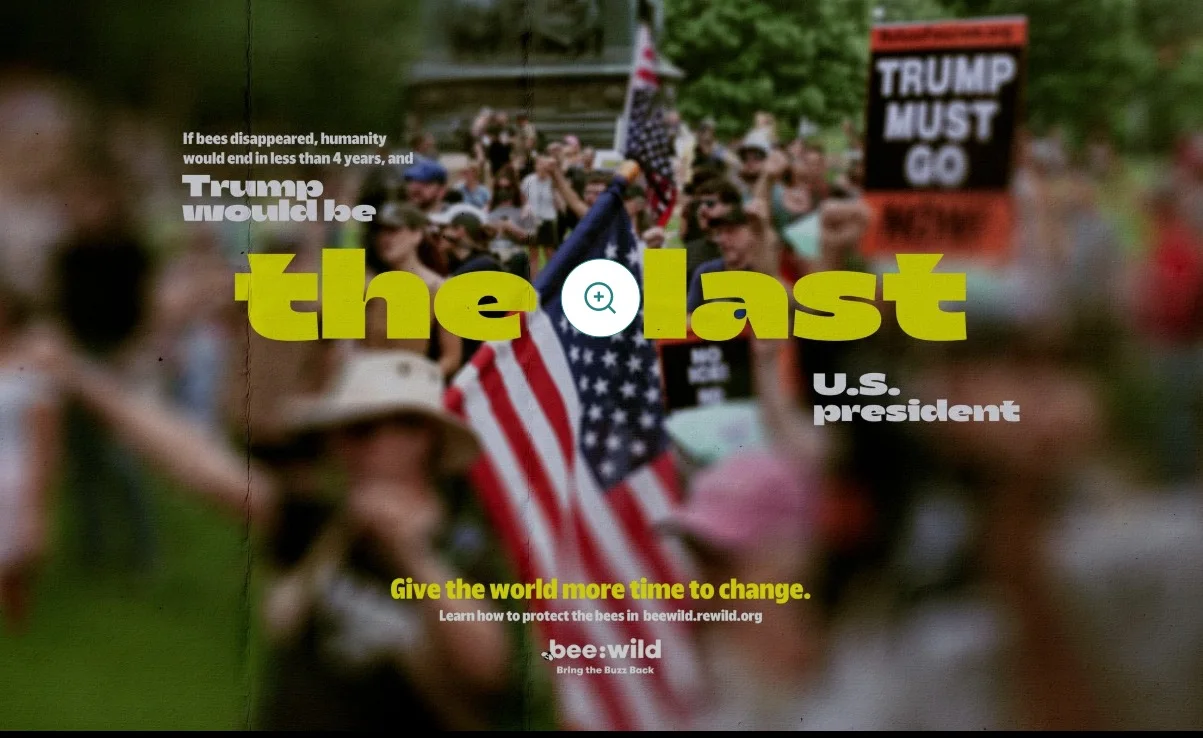
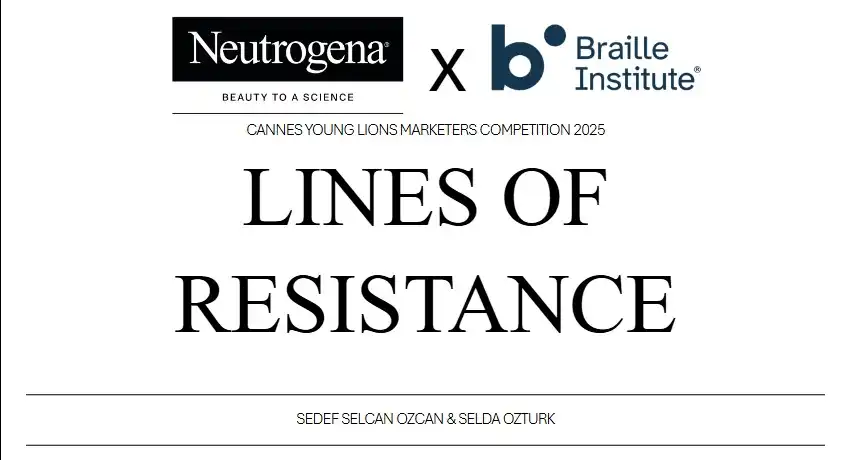
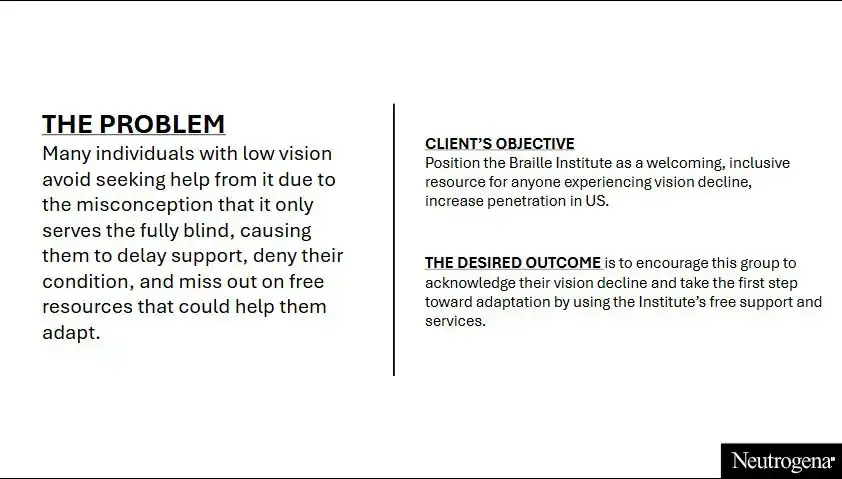
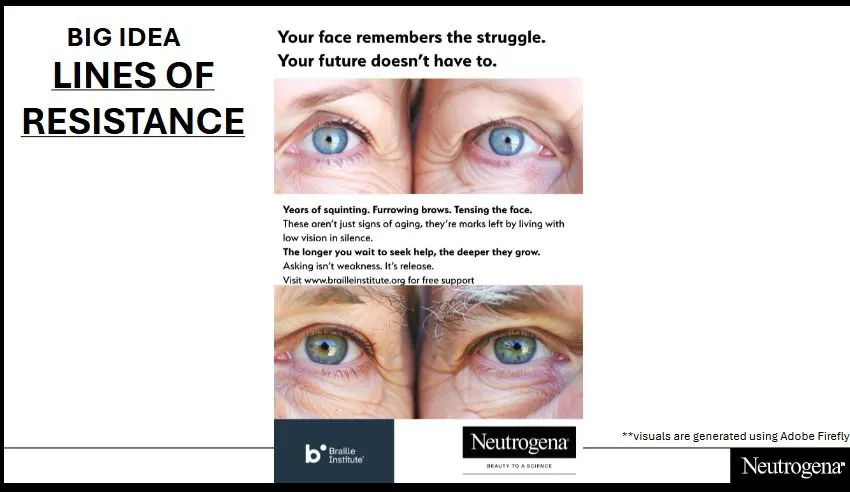
Winning Case Study of Cannes Young Lions 2025

PAYMENT TERMS

Entry Fee

₹6,000

+ 18% GST per application

A separate entry form and fee must be completed for each additional category and entry subject to terms and conditions. Please refer the document carefully before proceeding.

Payment Mode

NEFT/RTGS/Mobile Banking/UPI only.
Cheques, Demand Drafts, or any other payment mode are not accepted.

Individual Payments Only

Bulk or consolidated payments from organisations will not be accepted.

No Discounts or Negotiations

The entry fee is fixed, and no discounts or negotiations will be entertained.

Non-Refundable

The application fee is non-refundable under any circumstances.

MARKETING BRIEF

The Air Around Us

Background with current challenges

Air quality levels across many Indian cities have shown a consistent upward trend in particulate pollution, particularly PM2.5 and PM10. India accounted for 9 of the world’s 20 most polluted cities in recent assessments, with annual PM2.5 levels far exceeding WHO guidelines.

Seasonal factors such as stubble burning, construction dust, vehicular emissions and weather conditions combine with year-round urban activity to sustain high AQI levels. While pollution spikes receive attention during winter months, exposure remains a daily reality for most urban residents. Prolonged air pollution exposure to the respiratory and cardiovascular have major risks, especially among young adults who spend significant time commuting outdoors.

Creatives

Objective

The objective of the marketing campaign is to translate air quality data into a relatable, everyday context without invoking fear or blame. Rather than focusing on sources or accountability, the campaign should make invisible pollution visible through simple, human-centric storytelling.

The Marketing Campaign should create space for audiences to pause and genuinely reflect on the meaning of air quality information. Instead of letting AQI remain an overlooked app alert, the initiative must make it feel personally meaningful by connecting it to everyday moments, like the commute, outdoor workouts, or simple steps outside. By grounding the issue in shared daily experiences, the message avoids alarmism while still establishing relevance.

The goal of the campaign is awareness through recognition, not instruction or advocacy.

Deliverables

  • A PowerPoint presentation of maximum 10 slides to include:
  • The marketing campaign idea & activation – what is the central idea of the campaign and how will you most powerfully deliver that idea?
  • This should be accompanied by a written submission (maximum 150 words for each slide) to elaborate on your presentation. This may include, as you see fit: Campaign Timeline / Campaign Examples / References
  • Media strategy and approach : Allocate INR 20 crore budget across the media to achieve the brief objective.
  • The final submission must be uploaded as two pdf documents – the presentation deck and written submission.

Desired Response

  • Increased awareness of air quality as a daily presence, not a background statistic.
  • Viewers mentally connect AQI levels to their own routines.
  • Viewers reflect on everyday choices that contribute to air quality, such as reducing avoidable pollution during festivals or daily routines and considering small actions that help prevent conditions from worsening.
Weightage
25%
Originality
25%
Overall Concept and Message
25%
Creative Execution
25%
Perceived Effectiveness

ELIGIBILITY

01
The participants are expected to create a print ad in response to the brief shared by the management on the website
02
Each entry must be submitted by a team of two young professionals
03
Participant should be born on or after 26/06/1995.
04
Open to professionals from creative communications, advertising, and digital agencies
05
Freelancers and or in-house creative teams from client companies are also accepted
06
Participant should hold a valid Indian passport until December 31, 2026, or beyond. It is mandatory for both team members to attach their valid passport while applying for the competition.

Team Composition

  • Two individuals who are working as full-time employees in the same organization
  • Two individuals who are freelancers (Only for Print & Digital) currently associated with any creative communications, advertising or digital agencies or with the in-house creative team member from client companies
  • Two individuals – 1 individual can be a freelancer (Only for Print & Digital), and one individual can be a full-time employee in an organization
  • Students are not allowed to participate in the competition across any categories
  • It is mandatory for both the team members to be present during the final round for the physical presentation. Absence of any of the team members will lead to disqualification of the entire team from the competition.
  • In case one or both team members are not based in Mumbai, they may opt to join the Grand Jury presentation virtually. This option is available only for participants located outside Mumbai and must be communicated to the Awards Management in advance, i.e. 48 hours before the final round

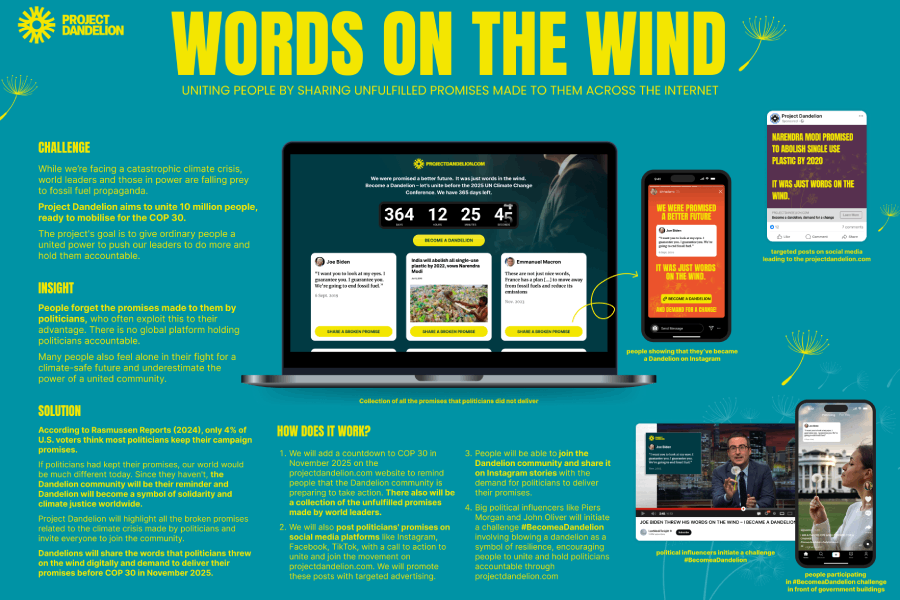
Winning Case Study of Cannes Young Lions 2025

PAYMENT TERMS

Entry Fee

₹6,000

+ 18% GST per application

A separate entry form and fee must be completed for each additional category and entry subject to terms and conditions. Please refer the document carefully before proceeding.

Payment Mode

NEFT/RTGS/Mobile Banking/UPI only.
Cheques, Demand Drafts, or any other payment mode are not accepted.

Individual Payments Only

Bulk or consolidated payments from organisations will not be accepted.

No Discounts or Negotiations

The entry fee is fixed, and no discounts or negotiations will be entertained.

Non-Refundable

The application fee is non-refundable under any circumstances.

DIGITAL BRIEF

TRUST IN AN AI-ALTERED WORLD

Background with current challenges

Generative AI has rapidly expanded beyond creative experimentation into widespread commercial misuse. In India, deepfake visuals, cloned voices and synthetic endorsements are increasingly being used to create false advertisements that imitate public figures, brand representatives and authority figures. Nearly 90 percent of Indians have encountered fake celebrity-led promotions tied to scams, with AI-driven cyber fraud losses estimated to cross ₹20,000 crore.

The ease with which AI can replicate faces, voices and mannerisms has significantly lowered the barrier to manufacturing trust at scale. False advertisements now travel faster than verification mechanisms, blurring the line between legitimate brand communication and fabricated persuasion. UNESCO has identified deepfakes as a growing threat to public trust, warning that repeated exposure does not just mislead audiences but weakens confidence in authentic media itself. The challenge is no longer limited to misinformation, but the growing difficulty of distinguishing genuine brand communication from convincingly engineered falsehoods.

Creatives

Objectives

  • Create a digital marketing campaign that reframes AI misuse as a trust issue rather than a tech issue. The campaign should highlight how easily credibility can be manufactured and how quickly brands, faces and voices can be co-opted. Using real-world scenarios such as fake endorsements or cloned voices, the idea is to prompt audiences to pause and before believing or sharing. The aim is reflection, not fear, by making viewers question what proof looks like in an AI-altered environment.

Target Audience

NCCS: A1, A2, B1 Young adults aged 18–35 Urban and semi-urban consumers User and adopters of smart devices

BUDGET

5 Cr

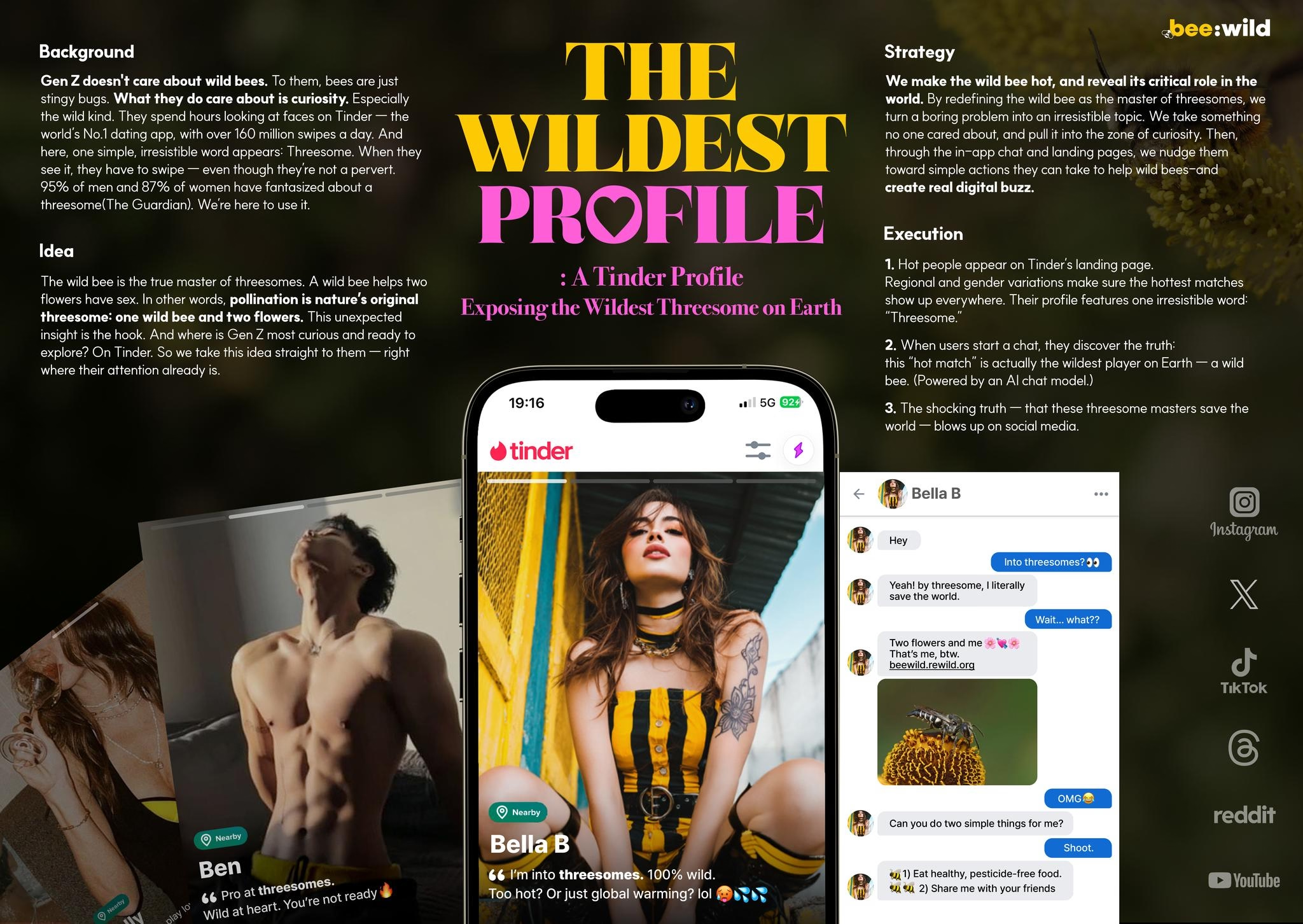
Winning Case Study of Cannes Young Lions 2025

Deliverables

A presentation page showcasing examples of three digital campaign components (JPEG format, one JPEG per component).

These components may include social media placements, digital OOH, in-feed formats or platform-native executions that highlight fabricated endorsements or manipulated credibility.

A single image summarising the overall campaign idea (JPEG format), capturing the central question around trust and authenticity in advertising.

A five-part written submission (maximum 150 words per section) elaborating on:

  • 01 Campaign summary — outlining the core idea and the relevance of false advertising enabled by generative AI.
  • 02 Creative insight — how creativity can expose manufactured credibility and challenge trust using digital platforms and familiar advertising cues.
  • 03 Solution — detailing the platforms, technologies and digital tools used, and why they are appropriate for addressing AI-driven false advertisements.
  • 04 How it works — explaining how the digital executions make fabricated advertising visible, prompt audience recognition and support the campaign’s objective of restoring critical awareness.
  • 05 Digital Media strategy and approach : Allocate INR 5 crore budget across the media to achieve the brief objective.

The entire entry should not exceed a file size of 50MB.

Examples of Deliverables

Desired Response

Viewers become more alert to signs of AI-generated or misleading advertisements and are more likely to pause before trusting or sharing them.

Increase in reporting of false or misleading ads across digital platforms, as audiences recognise manipulated endorsements and fabricated credibility.

Influencers, creators and industry voices begin to publicly call out suspicious or AI-altered brand communications, helping normalise verification and accountability within digital culture.

Weightage

The Digital Jury will award points according to the following criteria:

25%
Originality
25%
Overall Concept and Message
25%
Creative Execution
25%
Perceived Effectiveness

Eligibility Requirements

  • The participants are expected to show how the power of technology can answer the brief by providing creative solutions aligned with the ever-moving technological evolution of digital communications
  • Each entry must be submitted by a team of two young professionals
  • Participant should be born on or after 26/06/1995
  • Open to professionals from creative communications, advertising, and digital agencies
  • Freelancers and/or in-house creative teams from client companies are also accepted
  • Participant should hold a valid Indian passport until 31 December 2026 or beyond. Attach a copy of their valid passport on their website at the time of submitting their entry
  • The participants will be asked to submit any of the below valid government ID proof consisting of their full date of birth (DD/MM/YYYY) to validate the details entered in the application form:
    • Birth certificate
    • Aadhaar card (With DD/MM/YY)
    • Voting card
    • Driving license

Mandatory Documents

Participants must hold a valid Indian passport until December 31, 2026 or beyond. Both team members must attach their passports while applying.

The participants will be asked to submit any of the below valid government ID proof consisting of their full date of birth (DD/MM/YYYY):

Birth Certificate Aadhaar Card Voting Card Driving License

Please keep the documents as mentioned in the email ready for verification purposes.


It is mandatory for both the team members to be present during the final round for the physical presentation. Absence of any of the team members will lead to disqualification of the entire team from the competition. In case one or both team members are not based in Mumbai, they may opt to join the Grand Jury presentation virtually. This option is available only for participants located outside Mumbai and must be communicated to the Awards Management in advance, i.e., 48 hours before the final round.

Team Composition

  • Two individuals who are working as full-time employees in the same organization
  • Two individuals who are freelancers (Only for Print & Digital) currently associated with any creative communications, advertising or digital agencies or with the in-house creative team member from client companies
  • Two individuals – 1 individual can be a freelancer (Only for Print & Digital), and one individual can be a full-time employee in an organization
  • Students are not allowed to participate in the competition across any categories
  • It is mandatory for both the team members to be present during the final round for the physical presentation. Absence of any of the team members will lead to disqualification of the entire team from the competition.
  • In case one or both team members are not based in Mumbai, they may opt to join the Grand Jury presentation virtually. This option is available only for participants located outside Mumbai and must be communicated to the Awards Management in advance, i.e. 48 hours before the final round

PAYMENT TERMS

Entry Fee

₹6,000

+ 18% GST per application


A separate entry form and fee must be completed for each additional category and entry subject to terms and conditions. Please refer the document carefully before proceeding.

Payment Mode

NEFT/RTGS/Mobile Banking/UPI only.
Cheques, Demand Drafts, or any other payment mode are not accepted.

Individual Payments Only

Bulk or consolidated payments from organisations will not be accepted.

No Discounts or Negotiations

The entry fee is fixed, and no discounts or negotiations will be entertained.

Non-Refundable

The application fee is non-refundable under any circumstances.